
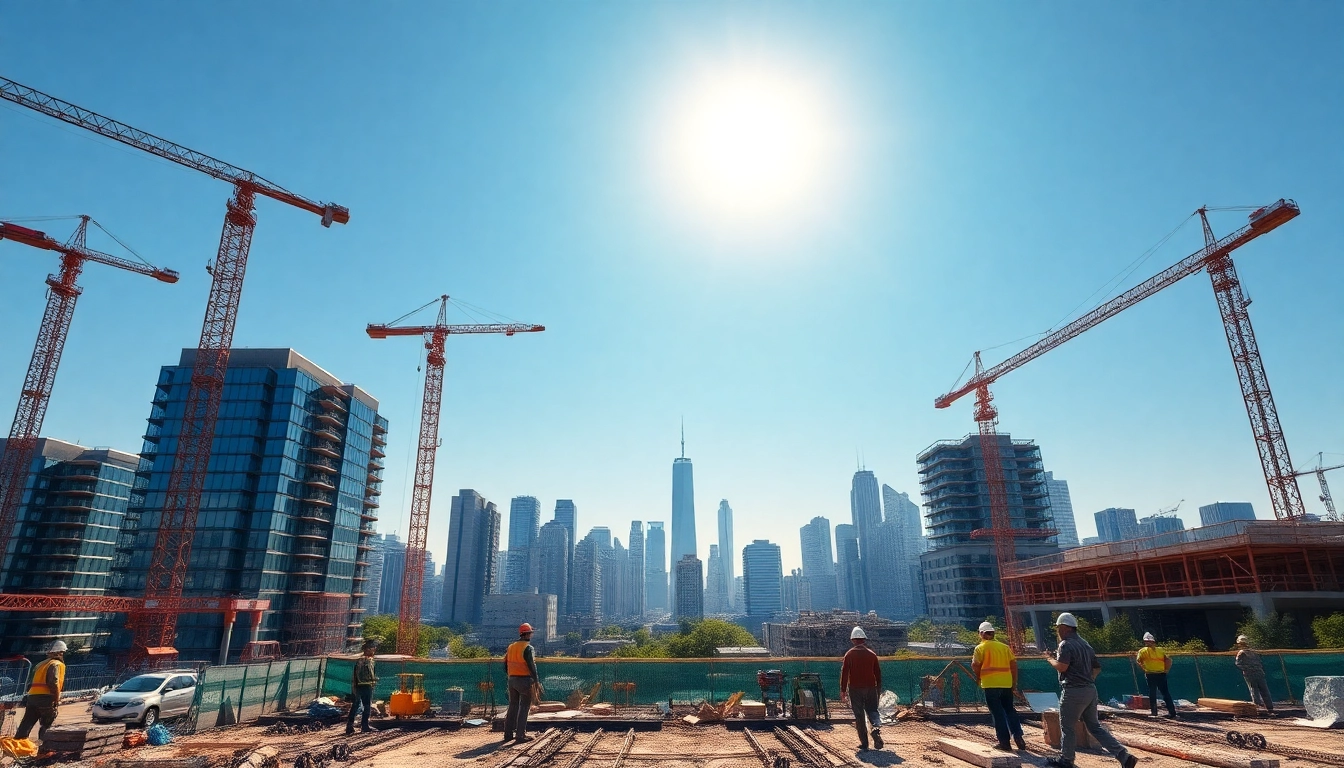
Understanding Real Estate Development
Real estate development is an intricate process that transforms land or existing properties into profitable ventures. It combines various elements, including acquiring land, planning, financing, construction, and marketing. A comprehensive grasp of the Real Estate Development landscape is crucial for anyone involved in this field, whether you’re a developer, investor, or stakeholder. This guide will explore the essential components and phases of real estate development, equipping you with the knowledge to navigate this dynamic industry effectively.
What is Real Estate Development?
Real estate development refers to the process of improving land and constructing various building types — from residential units to large-scale commercial properties. It encompasses the entire lifecycle of a project, from inception to completion. By integrating financing, design, urban planning, and construction, real estate developers create spaces that fulfill market needs while maximizing profitability. Understanding this process aids stakeholders in making informed decisions, mitigating risks, and enhancing project outcomes.
Key Players in Real Estate Development
The real estate development realm consists of various key players, each contributing unique expertise:
- Developers: The visionaries who initiate and oversee projects.
- Architects: Design the project’s layout and aesthetics.
- Contractors: Manage the construction processes.
- Investors: Provide the capital and may influence project direction.
- Financial institutions: Offer funding through loans and financial products.
Effective collaboration among these players is vital to success, as the development process requires a meticulous balance of vision, financing, and execution.
The Importance of Market Research
Market research is a critical step in the real estate development process. It involves analyzing local demographics, market trends, and economic conditions that influence property demand and pricing. Identifying target markets, understanding consumer behaviors, and forecasting changes in market trends allow developers to tailor projects to meet specific needs and preferences. Successful developments stem from data-driven strategies that align with market realities, ensuring that the project is not only viable but also profitable.
Phases of Real Estate Development Process
Site Selection and Acquisition
One of the first steps in real estate development is selecting the right site. This process involves identifying locations that align with market demands and zoning regulations. The site selection criteria often include accessibility, infrastructure, and surrounding amenities.
Once an ideal site is identified, acquisition follows. This may involve negotiations with landowners, conducting due diligence on the property, and securing financing to complete the purchase. Proper site acquisition ensures a solid foundation for future development phases.
Design and Planning Stages
After acquiring the land, development enters the design and planning phase. This includes creating architectural designs, obtaining necessary permits, and laying out construction timelines. Developers collaborate with architects to refine the project’s vision, ensuring that it meets regulatory standards and maximizes aesthetic appeal.
Community input may also be gathered during this stage, enabling developers to address local concerns and enhance acceptance of the project. Engaging stakeholders in the planning process helps build goodwill and fosters smoother approval processes.
Construction Management Essentials
Construction management is a pivotal phase of real estate development that deals with keeping the project on schedule and within budget. Effective management encompasses planning, coordination, and control of the construction process. Developers often employ construction managers or general contractors to lead this phase, ensuring that work meets both quality standards and regulatory requirements.
Regular monitoring and communication among all involved parties are essential to mitigate risks and handle unforeseen challenges that arise during the construction process. A disciplined approach to project management can significantly impact the success of the development.
Financing Real Estate Development Projects
Funding Sources and Strategies
Financing is a crucial aspect of real estate development, as it determines the feasibility of projects. Developers explore various funding sources, including:
- Equity financing: Investing personal or investor capital into the project.
- Debt financing: Borrowing through loans from banks or financial institutions.
- Crowdfunding: Raising funds from a large number of people through online platforms.
- Public funding: Securing grants or incentives from government entities.
Each financing strategy comes with its risks and rewards. Developers must evaluate options and choose the strategies that align best with their project goals and financial capabilities.
Understanding Development Loans
Development loans are tailored specifically for real estate projects and differ from traditional mortgages. They typically cover land acquisition, construction costs, and other expenses directly related to the project.
These loans may come with higher interest rates due to their potential risks. Developers must be diligent in preparing their financial projections to present a viable case for lenders, demonstrating the project’s expected profitability and how it addresses market needs.
Investment Return Calculations
Estimating returns on investment (ROI) is essential for attracting investors and securing financing. Developers employ various metrics to evaluate potential profits, including:
- Capitalization rate: A measure of the net income produced by a property relative to its purchase price.
- Internal rate of return (IRR): The discount rate at which the net present value of all cash flows equals zero.
- Gross rent multiplier (GRM): A ratio used to evaluate the potential profitability of rental properties.
These calculations not only aid in financial planning but also serve to reassure investors of the project’s viability and potential returns.
Regulations and Approvals in Real Estate Development
Navigating Zoning Laws
Zoning laws dictate how land can be used and significantly influence the design and approval process for development. Understanding local zoning regulations is crucial, as they determine what types of buildings can be constructed and how properties can operate.
Developers must engage with city planners, review existing zoning codes, and, if necessary, apply for variances or zoning changes to align their project with local regulations effectively.
Permitting and Environmental Assessments
Obtaining permits and conducting environmental assessments are integral parts of the real estate development process. Permits ensure compliance with local laws, while assessments evaluate potential environmental impacts of a proposed project.
Factors such as proximity to wetlands, protected species habitats, and potential pollution must be considered. Developers often need to work with environmental consultants to complete these assessments and address any issues that may arise during the review process.
Community Engagement Strategies
Community engagement plays a vital role in facilitating successful real estate developments. Developers benefit from proactive strategies to engage local residents and stakeholders in the planning process. This may include hosting public meetings, conducting surveys, and soliciting feedback on project designs.
Taking community concerns into account can help enhance public perception and acceptance of the development, minimizing the likelihood of opposition during the approval stages.
Trends and Future of Real Estate Development
Impact of Technology on Development
Technological advancements are reshaping the real estate development landscape. Innovations, such as Building Information Modeling (BIM), drones for site surveys, and data analytics for market insights, enhance efficiency and reduce costs throughout the development process.
Moreover, technology enables improved communication among project collaborators, ensuring that all stakeholders remain informed and engaged throughout the project’s lifecycle.
Sustainable Development Practices
As environmental concerns become more prominent, sustainable development practices are gaining traction in the real estate industry. Developers now focus on eco-friendly materials, energy-efficient designs, and green certifications to meet market expectations and regulatory requirements.
Adopting sustainable practices not only contributes to environmental preservation but also appeals to consumers seeking eco-conscious living and working spaces.
Market Forecast and Opportunities
The real estate market continues to evolve, presenting new opportunities for developers. Areas such as affordable housing, mixed-use developments, and adaptive reuse projects are gaining momentum, driven by changing urban dynamics and demographic shifts.
Overall, staying informed about market trends, emerging consumer needs, and regulatory updates is imperative for developers aiming to capitalize on future opportunities in this competitive landscape.
Frequently Asked Questions (FAQs)
What is real property development?
Real estate development encompasses transforming land and buildings into higher-value assets through planning, finance, and construction efforts.
How do I get started in real estate development?
Begin by securing your real estate license and building a network. Seek mentorship opportunities or consider collaborating with seasoned developers on your first project.
What financing options are available for real estate development?
Common financing options include bank loans, private equity, crowdfunding, and joint ventures. Evaluate each option based on your specific project type and goals.
What are the key steps in the real estate development process?
The process involves site selection, planning and design, financing, construction, and marketing to successfully bring the project to completion.
What trends are shaping the future of real estate development?
Technology, sustainability, and changing demographics are key trends impacting real estate development, offering new opportunities for growth and innovation.
Contact Information
Call Us: +1 800-896-5502
Address: 2670 Union Ave, Memphis, TN 38112, United States, Memphis, TN, United States, 38112