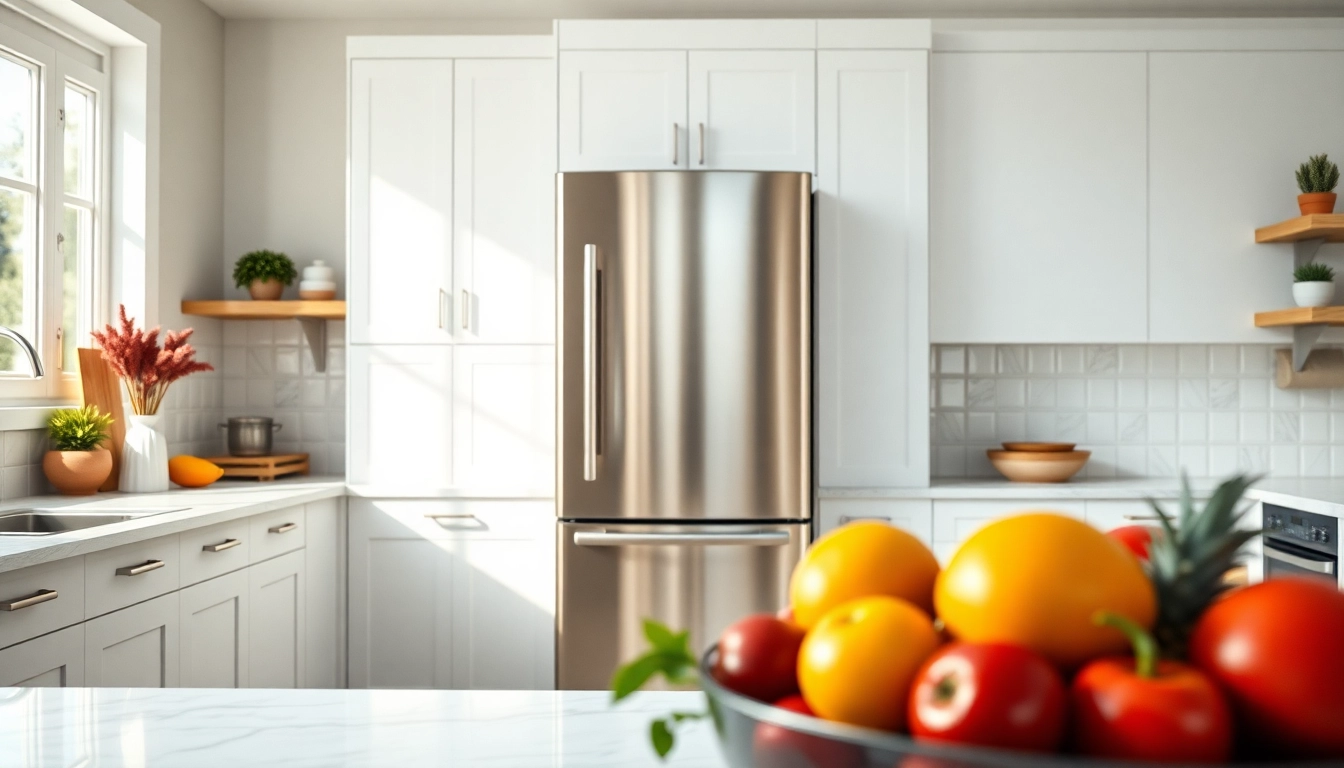
Understanding Refrigerator Types
In today's market, choosing the right refrigerator can feel overwhelming due to the vast array of options available. Different types cater to unique preferences, lifestyles, and kitchen layouts. Understanding the characteristics, advantages, and disadvantages of each type is essential for making an informed decision. This section will delve into the three main categories of refrigerators: top-freezer, bottom-freezer, and French door refrigerators.
Top-Freezer Refrigerators: Pros and Cons
Top-freezer refrigerators are the traditional design where the fridge section is at eye level and the freezer is on top. This model is among the most popular due to its simplicity and cost-effectiveness. Below are some of the key pros and cons of this type.
Advantages
- Affordability: Generally, top-freezer models are priced lower compared to other designs, making them ideal for budget-conscious buyers.
- Energy Efficiency: Many top-freezer refrigerators are energy-efficient, helping to lower utility bills.
- More Usable Space: They typically offer a good amount of storage space for perishable foods.
Disadvantages
- Freezer Accessibility: The freezer being on top may not be practical for easy access, especially for those who frequently use frozen items.
- Less Stylish: The design is often less modern compared to newer refrigerator styles.
Bottom-Freezer Refrigerators: Features and Benefits
Bottom-freezer refrigerators have been gaining traction as a stylish alternative. With the freezer at the bottom, it provides easier access to frequently used items. Here are some features and benefits of bottom-freezer models.
Features
- Convenience: The refrigerator section is at eye level, making it easier to access groceries without bending down.
- Organized Storage: Many come equipped with pull-out shelves and bins for better organization.
- Energy Efficiency: Some models are designed to be exceptionally energy-efficient, contributing to lower long-term costs.
Benefits
- Enhanced Design: The sleek look of bottom-freezer refrigerators can elevate kitchen aesthetics.
- Greater Usability: The arrangement allows for easier separation of fresh and frozen foods.
French Door Refrigerators: A Stylish Option
French door refrigerators feature two doors that open to reveal the fridge compartment, with a bottom drawer for the freezer. This design has become increasingly popular due to its modern look and practical features.
Key Features
- Wide Storage Space: These refrigerators offer generous space, allowing you to store large items without hassle.
- Flexibility: Many models come with adjustable shelving and specialized compartments for different food types.
- Filtered Water and Ice Dispensers: This feature adds convenience and improves the quality of your drinking water.
Why Choose French Doors?
- Aesthetics: The stylish design adds an appealing touch to kitchen interiors.
- Accessibility: The layout allows for ease of finding and accessing food items.
- Energy Efficiency: Modern models are better insulated and can provide energy savings.
Energy Efficiency in Refrigerators
In a time where sustainability is more critical than ever, energy-efficient refrigerators stand out as a smart choice. Understanding energy ratings and choosing an efficient model can help reduce your carbon footprint and save on electricity costs. This section explores why energy ratings matter, tips for choosing efficient models, and the long-term savings associated with energy-efficient refrigerators.
Why Energy Ratings Matter
Energy ratings provide essential information regarding a refrigerator's energy consumption, helping consumers make informed buying decisions. Typically, the higher the energy efficiency rating, the lower the long-term operational costs. Look for the Energy Star label, which signifies that the appliance meets or exceeds strict energy efficiency criteria established by the Environmental Protection Agency.
Tips for Choosing Energy-Efficient Models
When shopping for a refrigerator, consider the following tips for selecting an energy-efficient model:
- Look at Size: Choose a size that meets your needs without going overboard, as larger refrigerators consume more energy.
- Check Features: Options such as inverter compressors and sensors can significantly boost efficiency.
- Research Ratings: Compare energy ratings among various models to find the most efficient one.
Long-Term Savings with Energy-Efficient Refrigerators
Investing in an energy-efficient refrigerator can save hundreds of dollars over its lifespan. Although the initial cost may be higher, savings from reduced energy consumption often outweigh this difference. For every Energy Star-certified refrigerator purchased, consumers can save approximately $350 over a 12-year period.
Essential Features to Consider
The right features can elevate your refrigerator's functionality and make it a vital part of your kitchen. This section covers some essential features to look for in a refrigerator, including smart technology, adjustable shelving, and climate controls.
Smart Technology in Refrigerators
Modern refrigerators are evolving with smart technology that enhances convenience and efficiency. Smart refrigerators allow you to remotely monitor and control settings through smartphone apps. You can also receive alerts for maintenance and changes in temperature. Some advanced models even offer internal cameras, letting you view contents from your phone, making grocery shopping easier.
Adjustable Shelving and Organization
Maximizing storage space is vital for any kitchen. Look for models that offer adjustable shelving to accommodate various item sizes. Many designs also include dedicated compartments for fruits, vegetables, and beverages. This type of organization ensures that everything is easily accessible and stored correctly, prolonging freshness.
Climate Controls for Optimal Food Storage
Temperature control is crucial for preserving food quality. Look for refrigerators that come with climate controls, enabling you to set specific temperatures for different compartments. Some models also offer humidity control, ensuring fruits and vegetables maintain their freshness for longer.
Maintenance and Care for Your Refrigerator
Regular maintenance is essential for prolonging the life of your refrigerator. In this section, we discuss cleaning tips, common issues, and when to call a professional technician.
Cleaning Tips for Long-lasting Performance
To maintain optimal performance, regular cleaning is essential. Here are some tips:
- Clean Coils Regularly: Dust can accumulate on coils, affecting efficiency. Clean them at least twice a year.
- Wipe Down Surfaces: Use a mild detergent and soft cloth to clean both the exterior and interior surfaces.
- Check Seals: Inspect door seals for damage. Replace them if they’re cracked or not sealing properly.
Common Issues and How to Fix Them
Some common refrigerator issues include odd noises, water leakage, and temperature fluctuations. Here are some troubleshooting tips:
- Odd Noises: Ensure the fridge is level and check if items are vibrating against each other.
- Water Leakage: Inspect the drain pan and the water line for blockages or damage.
- Temperature Issues: Adjust the thermostat setting and check if the condenser coils are clean.
When to Call a Professional Technician
If troubleshooting fails and issues persist, it's time to call a professional. Signs that you may need a technician include persistent leaks, if the refrigerator is not cooling appropriately, or if it’s making unusual sounds that troubleshooting doesn’t resolve. Investing in professional service can prevent further damage and save money in the long run.
FAQs About Refrigerators
What is the difference between a fridge and refrigerator?
A fridge is a compact cooling appliance, while a refrigerator offers advanced features like temperature controls and freezers.
How much will a refrigerator cost?
Prices vary widely by type: Bottom freezer ($750-$4,000), Side-by-side ($1,000-$10,000), French door ($1,200-$11,000).
How do I maintain my refrigerator for efficiency?
Regularly clean coils, avoid overloading, and check door seals to maintain efficiency and prolong its life.
What should I consider when choosing a refrigerator size?
Assess your kitchen space and lifestyle needs, ensuring you have enough room for food storage without overcrowding.
How can I make my refrigerator more energy-efficient?
Set the correct temperature, keep it full but not overstuffed, and clean the coils to improve efficiency.