Understanding the Mini Split AC System
As homeowners increasingly seek efficient cooling solutions, the mini split ac system has emerged as a versatile option for temperature control. Unlike traditional air conditioning units, mini splits provide a flexible, energy-efficient way to regulate indoor climates without the need for ductwork. This article will explore the intricacies of mini split systems, covering their functionality, benefits, installation considerations, and future trends in HVAC technology.
What is a Mini Split AC?
A mini split AC, also known as a ductless mini-split air conditioning system, consists of an outdoor condenser unit and one or more indoor air handling units. This split design allows for the effective cooling or heating of individual rooms or spaces, making them ideal for homes without pre-existing ductwork. They are available in various sizes and configurations, making it easy to tailor the system to meet specific needs.
How Mini Splits Work Effectively
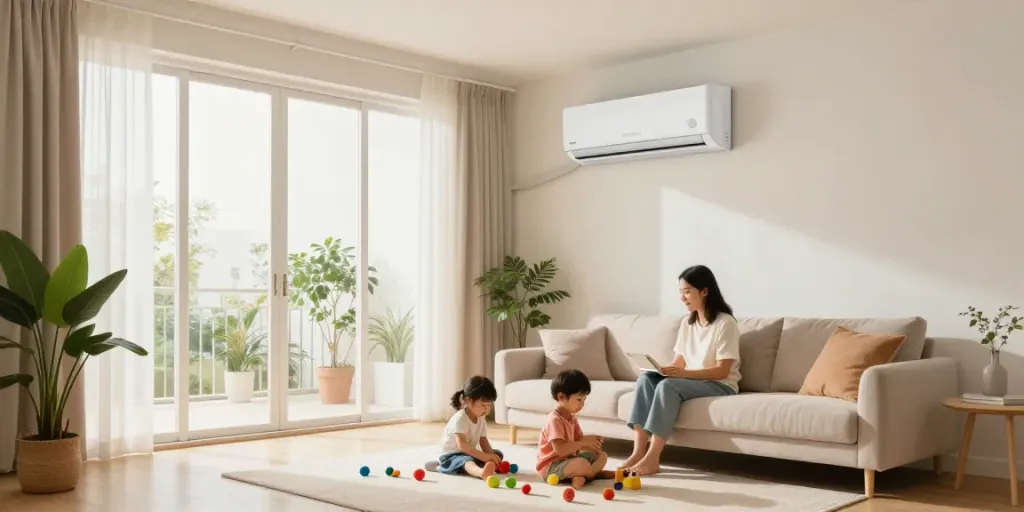
Mini split systems operate on a simple principle: the refrigerant absorbs heat from the indoor air and transfers it outside. The indoor unit blows cool air into the room, ensuring a comfortable environment. One of the primary advantages of this system is its ability to provide zoned heating and cooling. Homeowners can control the temperature of each room independently, resulting in energy savings and enhanced comfort.
Benefits of Using Mini Split AC
- Energy Efficiency: Mini split systems are designed to be highly efficient, often achieving SEER (Seasonal Energy Efficiency Ratio) ratings above 20, significantly lowering energy consumption.
- Flexible Installation: Without the need for ductwork, mini splits can be installed in hard-to-reach areas and are often easier and less invasive to set up than traditional HVAC systems.
- Quieter Operation: Mini split units are generally quieter than traditional air conditioning units, allowing for a more peaceful living environment.
- Improved Air Quality: Many models come equipped with advanced filtration systems that reduce allergens and dust, contributing to better indoor air quality.
Installation and Setup Considerations
Installing a mini split AC requires careful planning and consideration to ensure optimal performance and longevity. Understanding the specifics of installation can save homeowners time and money while avoiding common pitfalls.
Choosing the Right Location for Your Mini Split AC
Proper placement of the indoor and outdoor units is critical for efficient operation. The indoor unit should be mounted high on the wall, allowing cool air to flow down into the space. The outdoor unit should be placed in a well-ventilated area to facilitate heat dissipation. Homeowners should also consider proximity to electrical access and drainage for the condensate line.
Step-by-Step Installation Guide
- Choose the installation site for both the indoor and outdoor units.
- Install the mounting bracket for the indoor unit securely on the wall.
- Connect the refrigerant lines, electrical wiring, and drain line.
- Install the outdoor unit, ensuring it's level and properly secured.
- Conduct a vacuum test to check for leaks in the refrigerant lines.
- Finally, test the system to ensure proper operation.
Common Installation Mistakes to Avoid
One of the most significant mistakes homeowners make is choosing the wrong size unit, which can lead to inefficient cooling or heating. Additionally, improper installation of refrigerant lines can result in leaks, while neglecting to ensure adequate drainage can lead to water damage. Engaging a qualified HVAC professional for installation is advised to avoid these issues.
Maximizing Efficiency and Performance
Once your mini split AC is installed, maximizing its efficiency and performance can prolong its lifespan and reduce energy costs. Understanding the operational nuances can help homeowners achieve optimal comfort.
Setting the Right Temperature for Comfort
Finding the ideal temperature setting can enhance comfort while maintaining efficiency. A recommended setting is around 75°F during the summer and 68°F during the winter. Utilizing the “Auto” mode can help maintain this temperature without wasting energy.
Regular Maintenance Tips for Longevity
To keep your mini split system functioning efficiently, routine maintenance is essential. This includes regularly cleaning or replacing filters, ensuring the outdoor unit is free of debris, and checking for any signs of wear or leaks in the refrigerant lines. Scheduling professional maintenance at least once a year can also help catch potential issues early.
Understanding Energy Ratings and Efficiency
When evaluating mini split AC systems, homeowners should pay attention to energy ratings such as SEER or EER (Energy Efficiency Ratio). These ratings indicate the efficiency of the system, and choosing a unit with a higher rating can lead to significant energy savings over the lifespan of the unit.
Cost Analysis and Budgeting
Understanding the costs associated with purchasing and maintaining a mini split AC can help homeowners make informed decisions. While the initial investment might be higher than traditional systems, the long-term savings often justify the expense.
Initial Costs vs. Long-Term Savings
The cost of a mini split system can vary based on factors such as brand, size, and installation complexity. On average, homeowners can expect to pay between $3,000 to $5,000 for a complete system, including installation. However, the energy savings and reduced utility bills can lead to a payback period of just a few years, making them a cost-effective solution in the long run.
Financial Incentives for Energy Efficiency
Many states and local governments offer financial incentives, such as rebates or tax credits, for homeowners who invest in energy-efficient HVAC systems. Researching available programs can help offset some of the initial costs and make upgrading to a mini split AC system more affordable.
How to Prepare for Unexpected Expenses
While budgeting for a mini split AC, it’s essential to account for potential unexpected expenses, such as repairs or additional installation costs. Setting aside a contingency fund can ensure that homeowners are prepared for any unforeseen issues that may arise.
Future Trends in HVAC Technology
As technology evolves, the HVAC industry continues to innovate. Understanding upcoming trends can help homeowners make informed decisions regarding their heating and cooling systems.
Innovations in Mini Split Systems for 2026
The next few years are set to see significant advancements in mini split technology. Innovations may include enhanced energy efficiency standards, even quieter operation, and improved smart home integration capabilities.
How Smart Technology is Changing Air Conditioning
Smart technology is becoming integral to modern mini split systems. Features such as Wi-Fi connectivity enable homeowners to control their systems remotely via smartphones, allowing for greater flexibility and efficiency. Integrating these systems with home automation frameworks can further enhance convenience.
Environmental Impact and Sustainable Solutions
As the world becomes more environmentally conscious, HVAC systems are also evolving to minimize their carbon footprint. Mini splits utilizing eco-friendly refrigerants and advanced energy recovery technologies are expected to be at the forefront of sustainable heating and cooling solutions in the coming years.