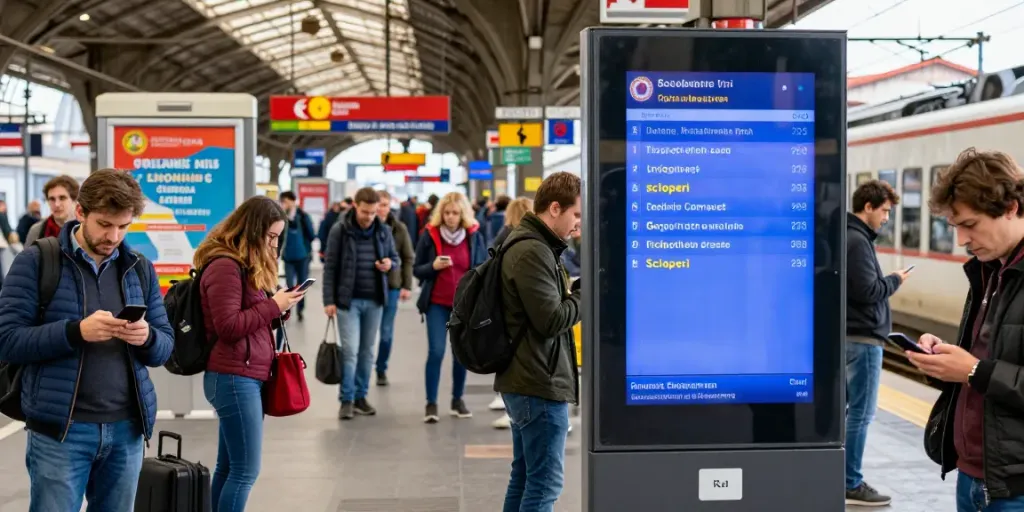
Understanding Sciopero: The Basics
In Italy, sciopero is a term that every citizen should familiarize themselves with, particularly if they rely on public transport. As strikes in various sectors—especially transportation—can disrupt daily life significantly, being informed is essential. Understanding how these strikes operate and the regulations surrounding them can make a substantial difference in planning your travel. Whether you rely on trains, buses, or metros, knowing the ins and outs of scioperi can save you from unforeseen inconveniences. When exploring options, Sciopero provides comprehensive insights into upcoming strikes throughout Italy.
What is a Sciopero?
At its core, a sciopero refers to a strike action, where workers collectively cease operations as a form of protest against certain conditions or to advocate for specific demands. In Italy, strikes are a recognized method for workers to exercise their rights and bring attention to grievances, particularly in the public sector. The impact of these strikes can range from minor disruptions to significant interruptions in transportation services, affecting commuters nationwide.
Types of Public Transport Scioperi
Scioperi can affect various forms of public transportation, each with distinct characteristics:
- Rail Strikes: Often organized by unions representing railway workers, these strikes can halt train services for hours or even days.
- Bus Strikes: Local and regional bus services may be disrupted, impacting daily commuters who rely on these routes for their travel.
- Metro Strikes: Major cities like Milan and Rome may experience metro strikes, affecting the urban commute for many residents.
- School Strikes: These may involve educators and school staff, leading to cancellations of classes and school-related activities.
Legal Requirements for Notification
According to Italian law, any planned sciopero must be announced at least ten days in advance. This regulation aims to provide a buffer for commuters to adjust their travel plans accordingly. Unions are required to communicate the details of any upcoming strikes, including the sector involved, the expected duration, and the reasons for the protest. This legal framework is designed to protect the rights of workers while also minimizing disruption to the public.
How C'è Sciopero Helps You Stay Informed
Staying updated about scioperi is essential for every commuter. The C'è Sciopero app serves as a crucial tool in this regard, offering real-time notifications and comprehensive information regarding upcoming strikes across Italy.
Real-Time Notifications Explained
The application provides users with push notifications that alert them about strikes before they occur. By selecting their preferred regions, users receive tailored alerts that inform them specifically about the strikes that may affect their daily commute. This proactive approach ensures that commuters are never caught off guard and can plan their journeys accordingly.
Interactive Maps and Features
Another valuable feature of the C'è Sciopero app is its interactive map that displays real-time information about ongoing and upcoming strikes across the country. This functionality allows users to visualize which regions are affected by scioperi, making it easier to adjust travel plans and routes. The map is user-friendly, allowing for quick assessments of the transportation situation in different areas.
Choosing Your Preferred Regions
The app allows users to customize their experience by selecting specific regions of interest. This feature ensures that notifications are relevant and tailored to individual travel needs, allowing users to focus on the areas that matter most to them. From the northern reaches of Valle d'Aosta to the southern tip of Sicily, every region is monitored in real-time, providing comprehensive coverage of public transportation strikes.
Preparing for an Upcoming Sciopero
Being prepared for a sciopero can significantly alleviate stress for commuters. Here are a few strategies to keep in mind when anticipating a strike.
Planning Your Travel Around Strikes
One of the most effective ways to tackle the challenges posed by strikes is to plan your travel in advance. By utilizing the information provided by the C'è Sciopero app, commuters can adjust their schedules or seek alternative modes of transportation if they are aware of upcoming strikes. Whether it involves leaving earlier, opting for a different route, or even carpooling, proper planning can mitigate the disruptions caused by scioperi.
Common Challenges and Solutions
Traveling during a strike can present several challenges, including overcrowded alternative transport options and longer travel times. To navigate these difficulties, consider the following solutions:
- Utilize Alternative Transport: Familiarize yourself with alternate modes of public transport, such as taxis or ride-sharing services. Keep in mind that during strikes, these options may also become crowded.
- Stay Informed: Regularly check updates from reliable sources like the C'è Sciopero app to receive real-time notifications and changes regarding your travel routes.
- Network with Fellow Commuters: Engage with others in your community who may have insights or strategies to handle travel during strikes. Sharing information can lead to better preparation.
Strategies to Avoid Delays
To avoid delays during strikes, consider the following proactive strategies:
- Leave Early: Give yourself extra time to reach your destination by departing earlier than usual, thus accounting for potential delays.
- Monitor Social Media: Follow relevant transport authorities and union pages on social media for the latest updates regarding strikes and travel advisories.
- Stay Flexible: Be willing to adapt your travel plans as needed. Flexibility can often lead to smoother transitions during disruptions.
Case Studies: Scioperi Impact in Major Cities
Examining case studies in major Italian cities helps to understand the broader implications of scioperi on urban life and public transport.
Analyzing Sciopero's Effects in Milan
Milan, as a significant metropolitan area, often experiences extensive public transport strikes. For instance, during a recent strike by metro workers, thousands of commuters were affected. The city’s response emphasized the need for alternative transportation methods, such as bicycles and ride-sharing. The disruption also sparked discussions on improving labor conditions and communication between unions and transport authorities.
Public Response and Adaptation in Rome
Rome has seen its fair share of scioperi, particularly affecting bus services. The public’s response usually reflects a mixture of frustration and adaptability. Residents often turn to flexible working hours or remote work arrangements during significant disruptions. The local government has been working to enhance public communication strategies, ensuring that residents receive timely information about impending strikes.
Comparative Analysis Across Regions
While some regions may experience frequent strikes, others like smaller towns might be less affected. Comparing the different approaches to managing scioperi reveals valuable insights into regional labor relations and public response mechanisms. For instance, regions with robust public transport infrastructure tend to handle strikes with faster recovery times, primarily due to better communication and alternative options available to travelers.
The Future of Public Transport and Scioperi in 2026
As we look ahead to 2026, several emerging trends can impact how scioperi affect public transport in Italy.
Emerging Trends in Public Transport
The landscape of public transport in Italy is evolving with an increasing emphasis on sustainability and digital integration. Initiatives to promote electric buses and better rail connectivity are underway, which may help mitigate the impact of strikes by offering more efficient alternatives. Furthermore, the integration of advanced technologies is crucial in phasing out traditional processes and enhancing overall public transport reliability.
The Role of Technology in Strike Notifications
As technology continues to advance, applications like C'è Sciopero will play a pivotal role in how commuters stay informed about public transport disruptions. Enhanced features such as AI-driven predictive analytics might provide users with even more personalized notifications and anticipate strikes based on historical data trends, thus transforming the commuting experience.
Predictions for Future Scioperi Regulations
The legal framework surrounding sciopero may also evolve, potentially incorporating new standards that balance worker rights with public convenience. Discussions among labor unions, government officials, and transport companies indicate a trend towards more collaborative approaches aimed at minimizing disruptions while respecting workers’ rights to protest and advocate for fair conditions.