Understanding the Trek to Manaslu Circuit
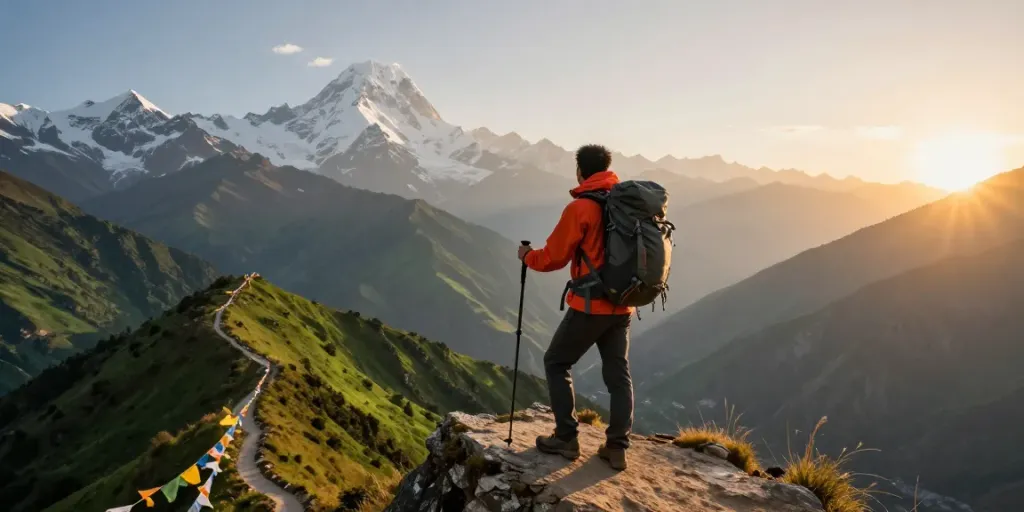
The Manaslu Circuit Trek is one of Nepal's most captivating trekking experiences, offering adventurers a unique blend of stunning Himalayan landscapes and rich cultural heritage. This trek is located in the Gorkha region of Nepal, encircling the majestic Mount Manaslu, which stands at 8,163 meters, making it the eighth highest peak in the world. Over the course of 15 days, trekkers will traverse diverse terrains, from lush valleys to high alpine landscapes and glacial moraine, encountering picturesque villages along the way. For those looking to embark on this journey, trek to Manaslu Circuit offers an immersive experience that showcases the beauty and serenity of the Himalayas.
What is the Manaslu Circuit Trek?
The Manaslu Circuit Trek is a challenging high-altitude trek that spans approximately 177 kilometers (110 miles), taking you around the majestic Manaslu Mountain through diverse landscapes and cultures. The trek is characterized by its stunning views of snow-capped peaks, including Himlung Himal and the Annapurna range, as well as vibrant Tibetan-influenced villages, ancient monasteries, and rich biodiversity. Trekkers will encounter varying altitudes, with the highest point being the Larkya La Pass at 5,160 meters. This trek is a perfect choice for those seeking a less commercialized and quieter alternative to more popular trails like the Annapurna Circuit or Everest Base Camp Trek.
Unique Features of the Trek
Unlike many other trekking routes in Nepal, the Manaslu Circuit offers a unique combination of cultural immersion and natural beauty. It is situated within the Manaslu Conservation Area, which is known for its rich flora and fauna, including several endangered species such as the snow leopard and red panda. The trek also allows for interaction with local communities, providing insights into their traditional lifestyles and customs. Additionally, the less crowded trails provide trekkers with an opportunity to enjoy the serene surroundings in solitude.
Best Season for the Trek
The best times to undertake the Manaslu Circuit Trek are during the spring (March to May) and autumn (September to November) seasons. These periods offer favorable weather conditions, including clear skies and moderate temperatures, making trekking much more enjoyable. During spring, trekkers can witness the blooming of rhododendrons and other flowers, while autumn offers spectacular views of the Himalayas against clear blue skies. It is advisable to avoid the monsoon season (June to early September) due to heavy rainfall and the potential for landslides, as well as the winter months when heavy snowfall can obstruct the trails.
Preparing for Your Trek
Physical Fitness Requirements
To successfully complete the Manaslu Circuit Trek, trekkers need to possess a good level of physical fitness and stamina. The trek is moderately challenging, with daily walking hours ranging from 5 to 8 hours over rugged terrain at high altitudes. It is recommended that trekkers engage in cardiovascular and strength training exercises leading up to the trek. Activities such as hiking, jogging, cycling, and strength workouts can significantly enhance endurance and prepare the body for the physical demands of the trek.
Essential Gear and Packing List
Proper gear is vital for a comfortable and safe trekking experience. Essential items include water-resistant trekking boots, layered clothing for temperature changes, trekking poles, a good-quality sleeping bag rated for cold weather, and a reliable backpack. Additional items to consider are a first aid kit, personal hygiene products, snacks, water purification tablets, and a camera to capture the stunning landscapes. It's crucial to pack efficiently, ensuring you carry only what is necessary while keeping your pack weight manageable.
How to Acclimatize Effectively
Acclimatization is key to preventing altitude sickness, which can occur at higher elevations. During the trek, scheduled acclimatization days, especially at Samagaon, allow trekkers to adjust to the altitude gradually. It is advisable to remain hydrated, avoid strenuous activities during acclimatization days, and consume a high-calorie diet to support energy levels. Understanding the signs of altitude sickness, such as headaches, nausea, or dizziness, and being ready to descend if symptoms occur, is essential for all trekkers.
Itinerary Overview for Manaslu Circuit Trek
Day-by-Day Breakdown
The Manaslu Circuit Trek typically unfolds over a 15-day itinerary, with each day dedicated to exploring breathtaking landscapes and cultural sites. The journey begins in Kathmandu with an arrival day, followed by a series of drives and treks through various villages leading to the Larkya La Pass and back down to Dharapani. A detailed day-by-day breakdown usually includes:
- Day 1: Arrival in Kathmandu
- Day 2: Drive to Machha Khola
- Day 3: Trek to Jagat
- Day 4: Trek to Deng
- Day 5: Trek to Namrung
- Day 6: Trek to Lho
- Day 7: Trek to Samagaon
- Day 8: Acclimatization day in Samagaon
- Day 9: Trek to Samdo
- Day 10: Trek to Dharamshala
- Day 11: Trek to Bimthang via Larkya La Pass
- Day 12: Trek to Goa
- Day 13: Trek to Dharapani
- Day 14: Drive back to Kathmandu
- Day 15: Departure from Kathmandu
Highlight Stops Along the Route
Some of the highlight stops include cultural hubs like Samagaon, where trekkers can engage with the local community and learn about their traditions. The scenic beauty of Birendra Lake and the fantastic views from the Larkya La Pass are also significant attractions. Villages like Jagat, Namrung, and Lho offer unique glimpses into the lifestyles of the Tibetan and Gurung peoples, enriching the trekking experience.
Optional Side Trips and Activities
For those looking to enhance their adventure, the Manaslu Circuit allows for optional side trips, such as visiting Manaslu Base Camp or taking hikes to nearby lakes and historical monasteries. These additional excursions provide a deeper understanding of the region's natural beauty and cultural significance, making the trek more rewarding.
Costs and Permits for the Manaslu Circuit Trek
Understanding Trekking Costs
The cost of the Manaslu Circuit Trek varies based on several factors, including duration, services selected, and group size. On average, trekkers can expect to pay between USD 1500 to USD 2500 for a 15-day trek. This price typically includes accommodation, meals, transportation, permits, and the services of guides and porters. Planning and budgeting in advance will help ensure a smooth trekking experience.
Required Permits Explained
Due to the trek's location in a restricted area, specific permits are required to hike the Manaslu Circuit. These include the Manaslu Conservation Area Permit (MCAP), the Manaslu Restricted Area Permit (MRAP), and the Annapurna Conservation Area Permit (ACAP), along with a TIMS (Trekkers’ Information Management System) card. This permit system is crucial for managing the impact of tourism and preserving the area's natural and cultural heritage.
Budgeting for Your Adventure
In addition to the trek package costs, trekkers should budget for daily expenses such as snacks, drinks, and optional activities. It's advisable to carry sufficient Nepalese Rupees, as ATMs are scarce along the trek. Budgeting an extra USD 15-20 per day can cover these additional costs comfortably, ensuring you can enjoy your journey without financial stress.
Trekking with Confidence
Choosing the Right Trekking Agency
Selecting a reputable trekking agency is critical for a successful Manaslu Circuit Trek. Look for companies that emphasize safety, employ experienced guides with proper certifications, and have a solid track record of satisfactory service. Researching reviews and comparing itineraries will help in making an informed decision.
Safety Tips for Trekking in Nepal
Safety should always be a priority when trekking in Nepal. Ensure you are well-prepared, stay updated on weather conditions, and pay attention to your health. It's important to maintain proper hydration and nutrition throughout the trek. Additionally, always trek with a guide, as they can provide support and knowledge of the trails and local areas.
FAQs About Trekking Solo or with a Group
Many trekkers wonder about the feasibility of trekking the Manaslu Circuit solo. While it is technically possible, it is not recommended due to the required permits, potential language barriers, and the risk of isolation in emergencies. Joining a group or hiring a guide is generally safer and enhances the experience through shared camaraderie and expert insight.
How difficult is the Manaslu Circuit Trek?
The difficulty level of the Manaslu Circuit Trek ranges from moderate to challenging. Trekkers should be prepared for steep ascents, descents, and long hours of hiking each day, often in varying weather conditions. Adequate preparation and fitness training will be crucial to successfully completing the trek.
Can a beginner do the Manaslu Circuit Trek?
While some beginners may be able to undertake the trek, it is essential that they have a reasonable fitness level and are willing to train in advance. Experienced trekkers can help by setting a slower pace, but familiarity with high-altitude trekking is highly beneficial.
How long does it take to hike the Manaslu Circuit?
The Manaslu Circuit Trek typically takes around 15 days to complete, including acclimatization days. This timeframe allows trekkers to enjoy the scenery and adjust to altitude changes safely.
Can I trek the Manaslu Circuit solo?
Solo trekking is not advisable on the Manaslu Circuit due to the need for specific permits and potential dangers associated with high-altitude hikes. Hiring a licensed guide is mandatory, as they will assist with navigation, safety, and permit acquisition.
What is the best time to trek the Manaslu Circuit?
Spring and autumn are the prime seasons for trekking the Manaslu Circuit, as the weather conditions are typically favorable for outdoor adventures. Each of these seasons offers unique landscapes and trekking experiences.